








Visualize, Assess, and Elevate Team Skills with the Karya Keeper Matrix
Trusted by over 1000+ users


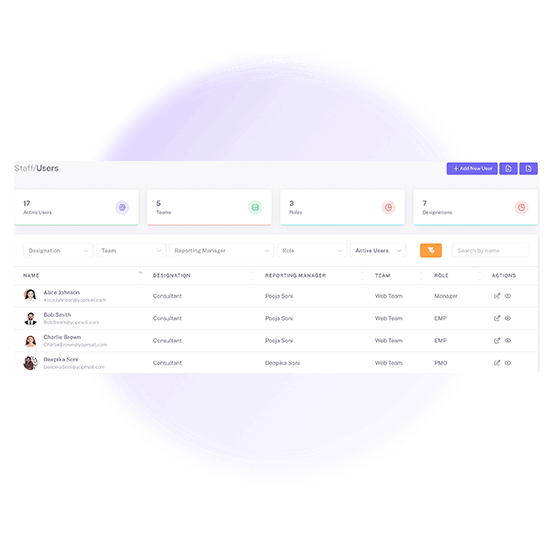
Capture each member’s skills, certifications, and proficiency levels in one centralized view.
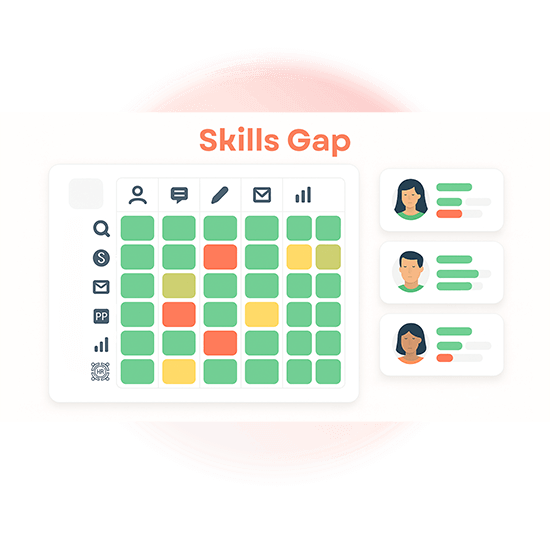
Discover missing competencies early and plan targeted upskilling before project rollouts.
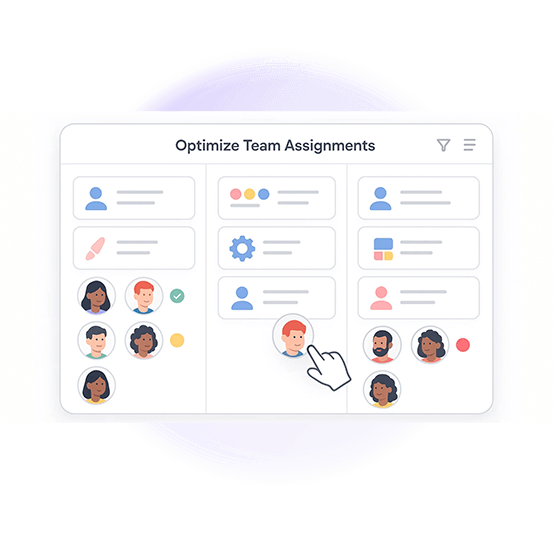
Match the right people to the right tasks based on verified skills and availability.
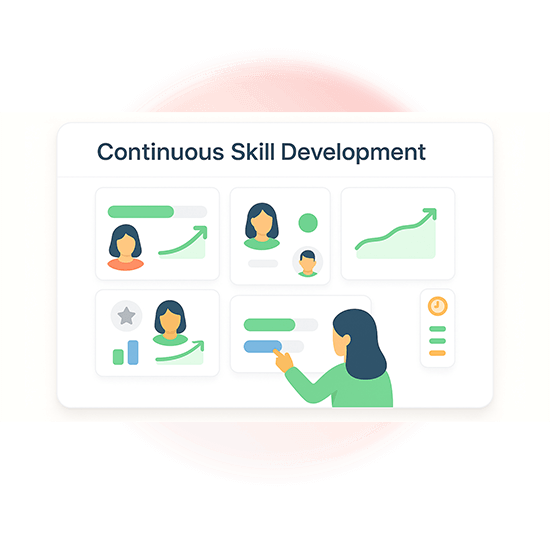
Track progress, encourage learning, and build a well-rounded, future-ready workforce.
Skill Matrix Built for Growth
Real-Time Skill Visibility
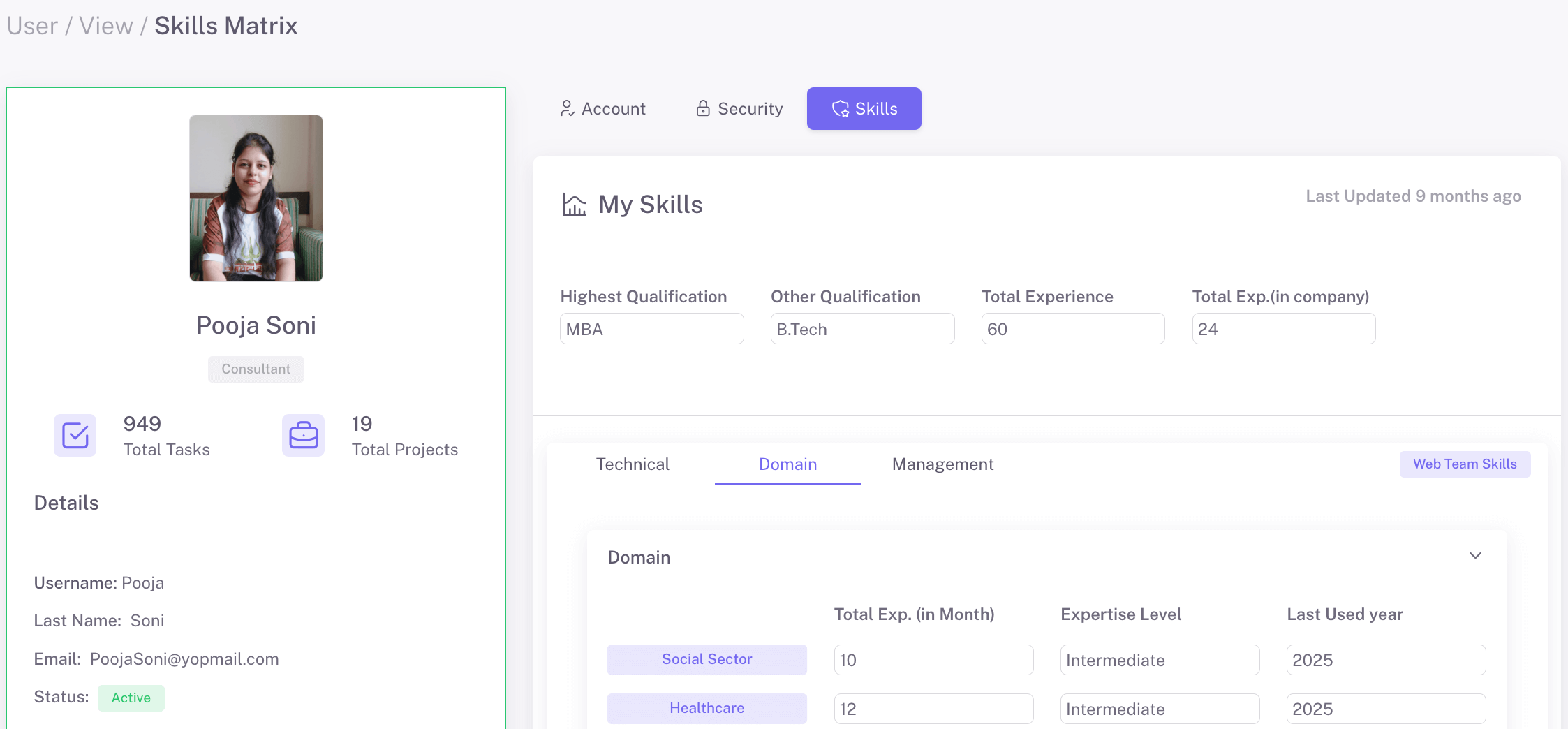
See your team’s strengths and gaps in one glance. The Skill Matrix gives a unified view of every member’s technical, domain, and functional skills — helping leaders make informed decisions without endless status checks or spreadsheets.
Smarter Team Planning
Assign the right people to the right projects. Match expertise with task requirements, balance workloads, and plan training programs to upskill where it matters most — so every project starts with confidence, not guesswork.
Data-Driven Development
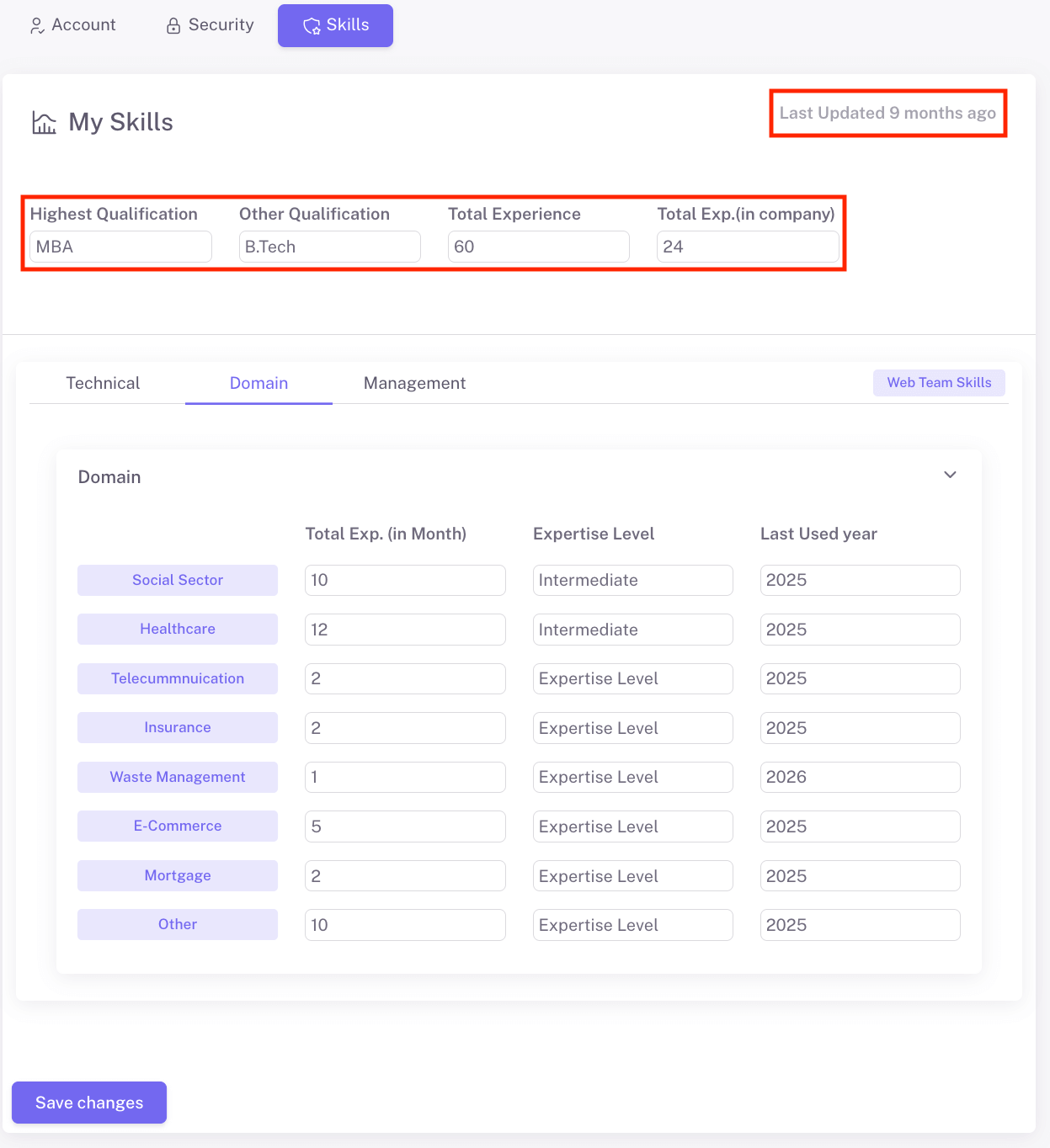
Turn employee skills into measurable insights. Track experience levels, last-used dates, and total experience across tools and domains to identify who’s ready for leadership, who needs mentoring, and where your next star performer might emerge.
Empowered Workforce
Give employees ownership of their growth. Role-based access lets individuals update their own skills while managers get clarity on overall team capability — building transparency, accountability, and continuous improvement into everyday work.
Empower Teams with Clarity and Capability
Without Karya Keeper
- Limited Visibility into Team Skills
- Skill Gaps Discovered Too Late
- Misaligned Resource Allocation
- Static and Outdated Data
- Reactive Talent Development
With Karya Keeper
- Unified Skill Dashboard
- Proactive Gap Detection
- Smarter Resource Mapping
- Continuous Skill Updates
- Data-Driven Development Plans
Want this for your company?
Visualize Your Tasks Your Way
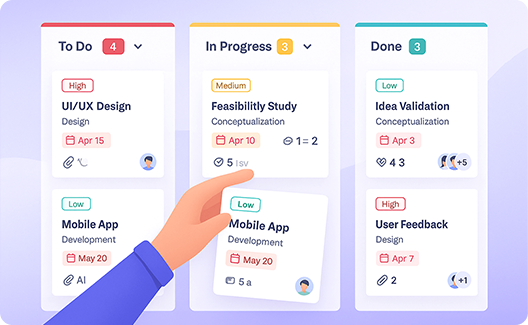
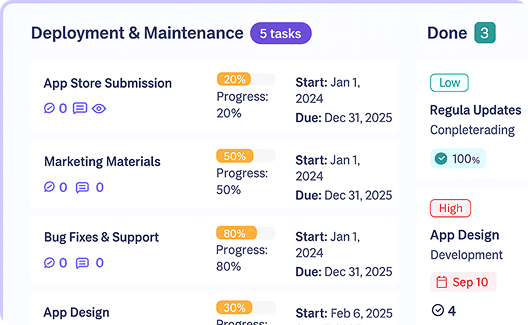
Track progress visually from start to finish. Drag and drop tasks across stages to see what’s pending, in progress, or done.
Organize tasks in a structured, table-like view. Group, filter, and update multiple items at once to manage work with ease.
Say goodbye to expensive point solutions
Consolidate your stack with the industry's most generous free tier or scalable enterprise pricing
Want to check the pricing ?
Why teams love Karya Keeper
Best for every team to get started instantly.

Promising and thoughtfully designed project and task management solution, particularly for teams looking for efficiency and clear oversight without unnecessary complexity.

Deliver projects with confidence
Align plans, people, and priorities — and keep every program on track.
- Shorten delivery time with ready-made structures
- Link effort directly to business outcomes
- Manage complex programs at scale
- Custom workflows for programs
- Centralized planning and tracking
- Smart resource allocation
- Executive dashboards for instant clarity

We've been using Karya Keeper to manage our day-to-day projects, and it's been an incredibly effective tool for our team. The features are well-designed and continue to improve regularly, which shows the Karya Keeper team’s commitment to development and user needs
Run campaigns without the chaos
Bring order to briefs, assets, and deadlines — all in one place.
- Keep content, feedback, and approvals in one workspace
- Track tasks and deadlines in real time
- Collaborate seamlessly across design, sales, and content teams
- Campaign boards for smooth execution
- Assets & feedback in one place
- Balance workloads across the team
- Instant performance snapshots

I am using Karya Keeper from Quite Long, As an Agency Owner This is the best project management tool i have used so far.
Ship features your users need
Turn feedback into priorities and launches with complete visibility.
- Prioritize tasks with clear product roadmaps
- Connect sprints to goals and OKRs
- Keep backlogs organized and up to date
- Roadmap views with priorities
- Real-time sprint tracking
- Cross-team alignment
- Feature dashboards from idea to launch

We've been using Karya Keeper to manage our day-to-day projects, and it's been an incredibly effective tool for our team. The features are well-designed and continue to improve regularly, which shows the Karya Keeper team’s commitment to development and user needs.
Code with clarity, deliver on time
Help dev teams stay structured, focused, and ready to ship faster.
- Break down epics into actionable tasks
- Track sprint progress as it happens
- Balance workloads to avoid bottlenecks
- Agile boards for any workflow
- Commit-linked task tracking
- Workload balance across engineers
- Delivery insights to spot blockers early

Karya Keeper provides all features needed to track timelines, create tasks, and assign them either to teams or individuals.
Deliver client work on schedule
Stay transparent, on time, and within budget — every time.
- Share progress with clients in real time
- Track billable and non-billable hours easily
- Manage multiple accounts in one workspace
- Client-ready boards for visibility
- Built-in time tracking
- Multi-project view in one dashboard
- Profitability reports against budgets
Assess, Align, and Grow Team Capabilities with Complete Clarity
Karya Keeper’s Skill Matrix is designed to help organizations understand, manage, and elevate workforce skills effortlessly. From identifying hidden talent to closing skill gaps, it’s the simplest way to align capability with business goals.
Here are the key features that make skill management smarter and more actionable for managers and decision-makers:
Get a unified view of every team member’s expertise — from technical to domain knowledge
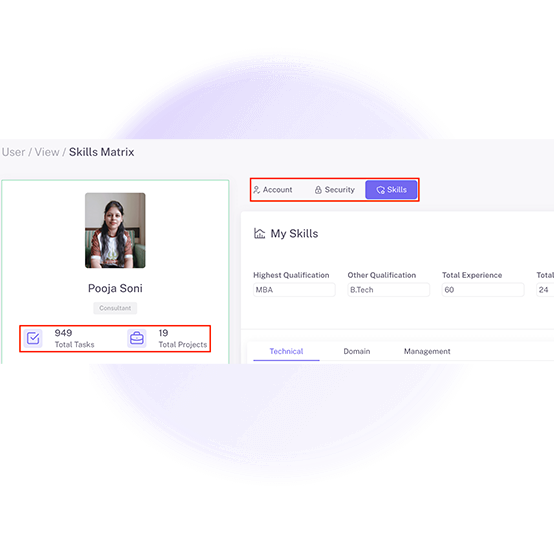
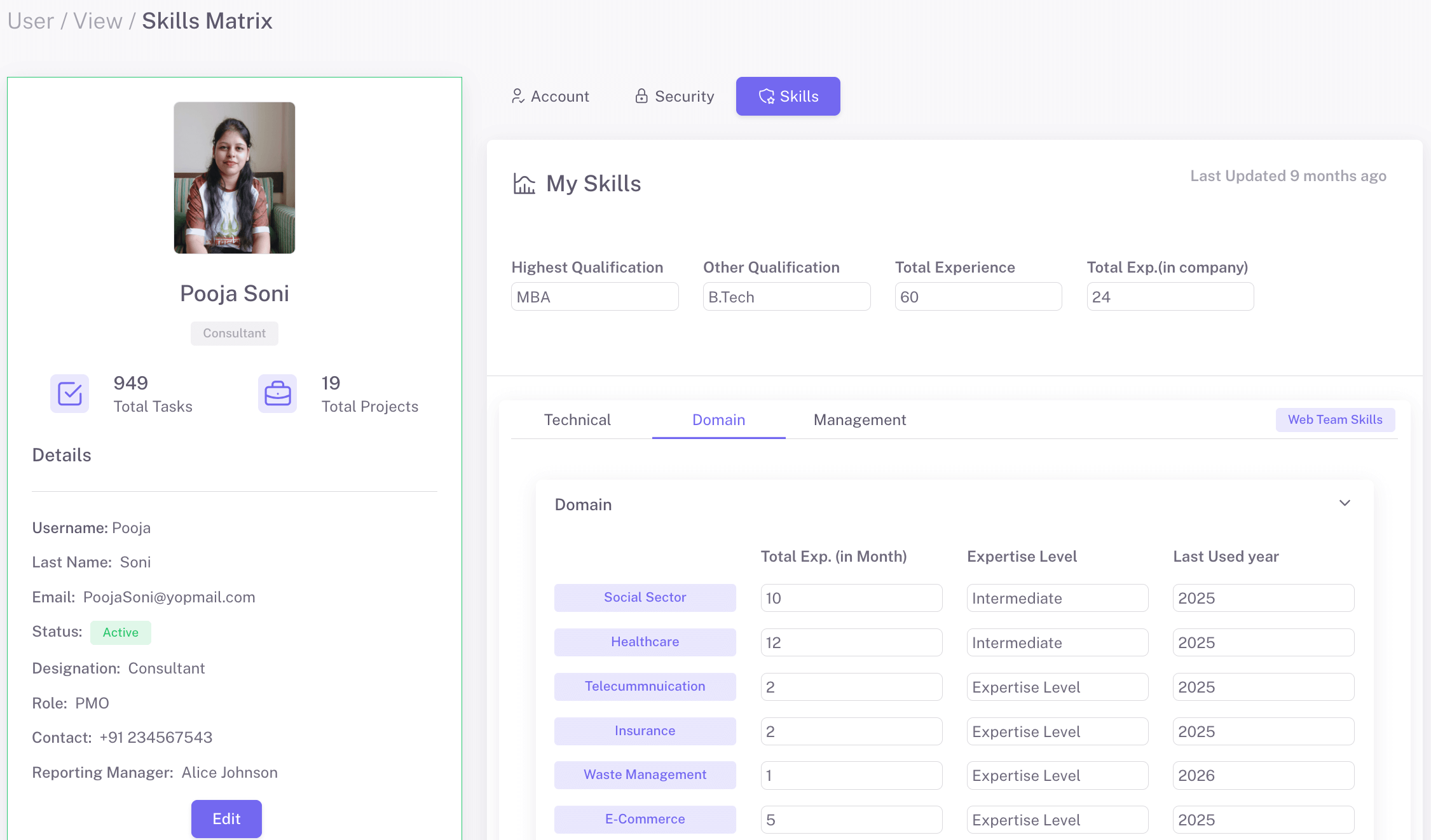
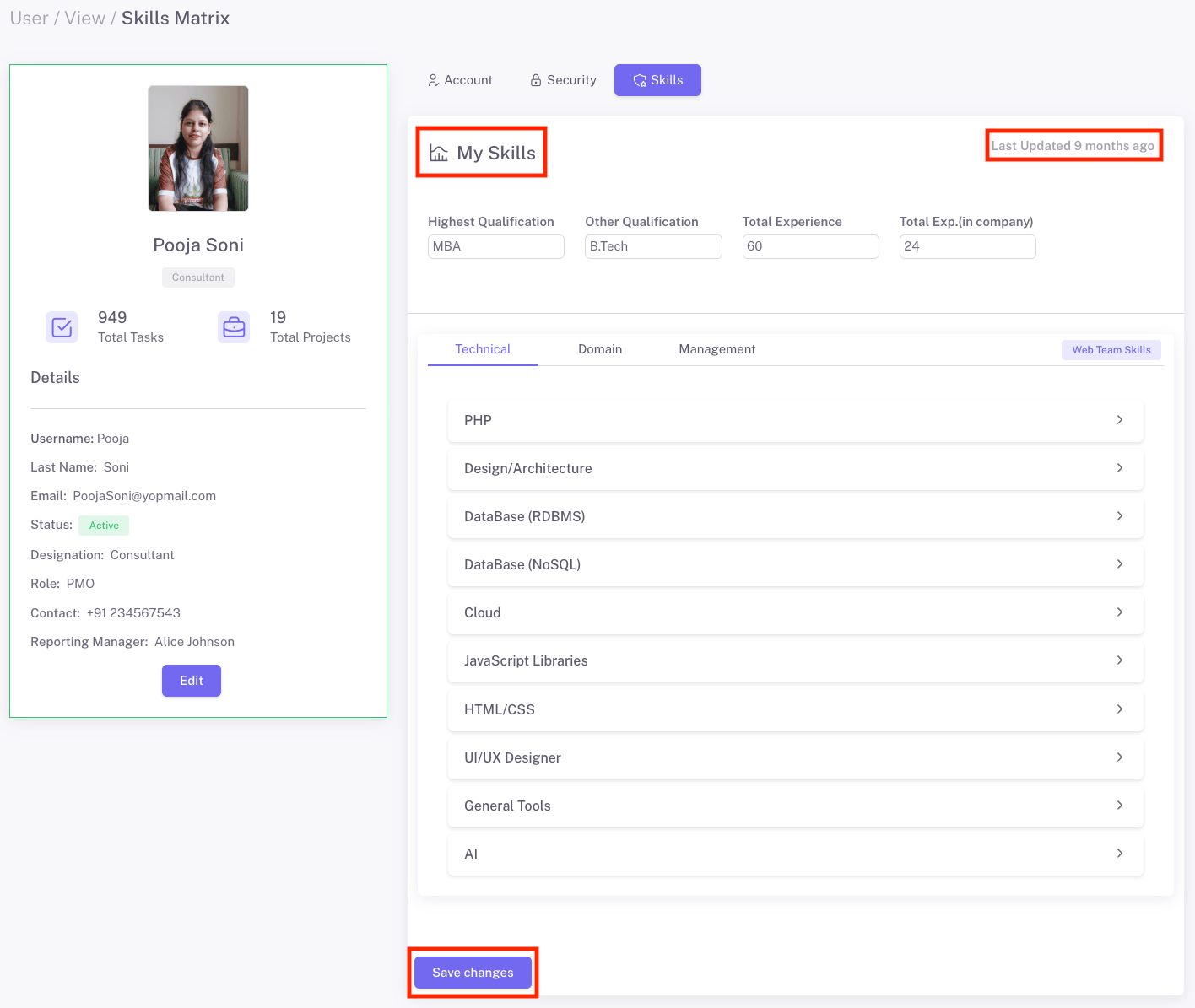
- Centralized Skill View: See each employee’s skills, experience, and expertise in one interactive dashboard.
- Structured Categorization: Group skills by domain, technology, or functional area for easy assessment
- Accurate Data Input: Capture details like total experience, expertise level, and last used year — ensuring every skill is backed by data.
Pinpoint missing capabilities before they impact delivery or quality.
- Gap Visualization: Instantly see areas where your team lacks proficiency or coverage.
- Targeted Action Plans: Use insights to plan upskilling, training, or hiring precisely where needed.
- Data-Driven Decisions: Turn skill data into measurable insights for workforce planning and forecasting.
Build the perfect team for every project based on real skills, not assumptions.
- Smart Resource Mapping: Match people to roles and projects using verified, up-to-date skill profiles.
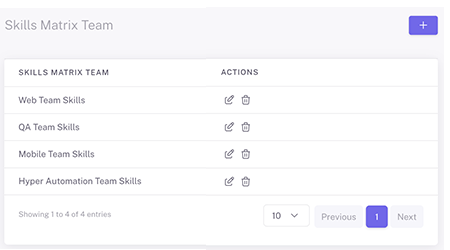
- Multi-Team Alignment: View skills across multiple assigned teams and ensure correct data for each.
- Performance-Driven Allocation: Assign tasks with confidence knowing your team’s actual strengths
Create a culture of learning and improvement that’s driven by visibility and ownership.
- Employee Self-Updates: Let individuals maintain their skill profiles, keeping information fresh.
- Manager Insights: Track last update timestamps and skill growth over time.
- Learning Path Guidance: Identify top training priorities and create focused development plans.
Keep every skill record reliable, updated, and verifiable.
- Version & Update Tracking: Verify when and what was last updated to maintain transparency.
- Controlled Access: Use role-based permissions to safeguard data accuracy and relevance.
- Seamless Integration: Connect with HR and project planning workflows for a unified experience.
Trusted by over a Thousand Users
Our users love us and so will you. Here’s what they are saying.
4.9/5 based on our user reviews

We've been using Karya Keeper to manage our day-to-day projects, and it's been an incredibly effective tool for our team. The features are well-designed and continue to improve regularly, which shows the Karya Keeper team’s commitment to development and user needs.

Admin Manager, E-Tech Services Pvt. Ltd.
Karya Keeper has been a game-changer for our team. Its intuitive interface, robust functionality, and continuous updates have made it an indispensable tool for us. We truly appreciate the effort your team puts into improving the platform and ensuring a seamless user experience.

Founder, One Six One
Promising and thoughtfully designed project and task management solution, particularly for teams looking for efficiency and clear oversight without unnecessary complexity.


Co-Founder, Marketohub
FAQ
What is project management software?
Project management software is a digital tool that help individuals and teams plan, organize, execute, and monitor projects effectively. It typically provides features such as task management, scheduling, resource allocation, collaboration tools, document sharing, and reporting capabilities.
It aims to make project workflows easier. It helps improve communication and coordination among team members. It also tracks progress and ensures projects finish on time and within budget.
What are the key features I should look for in project management software?
Is project management software suitable for all types of projects and industries?
As project management tools are highly adaptable and customizable, they are useful for almost all kinds of projects and industries. From manufacturing to the service industry, from remote teams to office environments, and from small teams to big organizations everybody can utilize the power of project management software to enhance their project efficiency.
How do I choose the right project management software for my team?
You can follow the following steps to choose the right project management tool for your team –
What are the benefits of using project management tool?
Project management software offers several benefits, including:
- Stay Organized – Keep all your project related data tasks, timelines, files, and conversations—in one place. No more scattered spreadsheets or missed emails.
- Collaboration- It helps you and your teams work together better. It offers central communication channels, real-time updates, and easy file sharing.
- Task Management – It helps teams create and assign tasks. They can set deadlines and track progress. This way, everyone knows what to do and when.
- Resource Allocation – It helps in allocating resources efficiently by providing visibility into team members’ workloads, availability, and skill sets.
- Time Tracking- It helps you keep track of the time spent on tasks and projects. This makes it easier to estimate future projects and improve productivity.
- Budget Management – Many project management tools have features for tracking budgets and managing expenses. This keeps projects within budget.
- Risk Management – It often includes ways to find, assess, and reduce risks. This helps teams spot and solve potential issues before they become real problems.
- Reporting and Analytics – It offers tools for reporting and analytics. This helps project managers track important metrics, spot trends, and make decisions based on data to improve project results.
- Scalability – The PM tool can grow with the organization as projects become larger and more complex. It offers flexibility to meet changing needs.
- Remote Work Support – As remote work grows, project management apps help teams work together. Team members enjoy easier communication and workflow, no matter where they are located.
How much does project management software cost?
The cost of project management software can vary a lot. This depends on several factors. These factors include:
– The features offered
– The size of the organization
– The number of users
– Whether it is cloud-based or on-premises
Here’s a general overview of the typical pricing models:
- Free Plans – Some project management software companies provide free versions. These versions have limited features or are for a small number of users. These free plans can be a good option for small teams or individuals with basic project management needs. For instance, Karya Keeper is currently offering a lifetime free subscription for the first 1000 users.
- Monthly or Annual Subscription – Many project management software options operate on a subscription-based pricing model, where users pay a monthly or annual fee per user. Prices can range from a few dollars per user per month for basic plans to higher-tier plans with more advanced features that may cost tens or even hundreds of dollars per user per month.
- Enterprise Plans – For larger organizations or teams with specific requirements, project management software providers often offer enterprise-level plans with additional features, customization options, and dedicated support. The pricing for these plans is usually customized based on the organization’s needs and the number of users.
- One-Time Purchase – Some project management software may offer a one-time purchase option, where users pay a flat fee to own the software outright. However, this model is less common for cloud-based project management solutions and is more typical for on-premises software.
- Custom Pricing – In some cases, especially for larger organizations or for highly specialized project management solutions, pricing may be determined through custom quotes based on the specific requirements of the organization.
Ultimately, the cost of project management software can vary widely, so it’s essential to evaluate your organization’s needs, budget, and desired features carefully before selecting a solution. Additionally, many providers offer free trials or demos, allowing users to test the software before making a purchase decision.
Is project management software easy to implement and use?
The ease of implementing and using software can vary depending on several factors, including the complexity of the software, the familiarity of users with similar tools, the level of customization required, and the support provided by the software provider. Generally, many project management software solutions are designed to be user-friendly and intuitive, with user interfaces that are easy to navigate and understand.
Some project management app can be quickly implemented, especially cloud-based solutions that require minimal setup and can be accessed through a web browser. These types of software often provide pre-configured templates and workflows, making it easier for teams to get started without extensive customization.
However, for more complex project management software or for organizations with specific requirements, implementation may require more time and effort. This could involve tasks such as data migration, integration with existing systems, user training, and customization to fit the organization’s workflow.
Ultimately, the ease of implementation and use of project management software can vary from one solution to another and from one organization to another
Can project management software integrate with other tools?
Yes, project management software often integrates with a wide range of other tools and software commonly used in business environments. These integrations help your team to streamline workflows, improve collaboration, and enhance productivity by enabling seamless data sharing and communication between different systems. Here are some examples of tools that project management software can integrate with:
- Communication Tools – Integrations with email clients, instant messaging platforms, and video conferencing software facilitate communication and collaboration among team members.
- File Sharing and Storage – Integration with cloud storage services like Google Drive, Dropbox, or OneDrive allows for easy access to project-related documents and files.
- Calendar Applications – Integration with calendar applications such as Google Calendar or Outlook enables users to sync project deadlines, milestones, and meetings with their personal calendars.
- Time Tracking and Accounting Software – Integrations with time tracking and accounting software help track billable hours, manage project budgets, and streamline invoicing processes.
- Customer Relationship Management (CRM) Systems – Integration with CRM systems allow project teams to access customer information, track sales opportunities, and manage client relationships more effectively.
- Development and Design Tools – For software development projects, integration with code repositories like GitHub or version control systems like GitLab helps manage code changes and collaborate on development tasks.
- Task Automation Platforms – Integration with task automation platforms like Zapier or IFTTT enables users to automate repetitive tasks and create custom workflows between different applications.
- Analytics and Reporting Tools – Integration with analytics and reporting tools allows project managers to track key performance indicators (KPIs), generate reports, and gain insights into project progress and performance.
These are just a few examples, and the specific integrations available will depend on the project management software chosen and the needs of the organization. Many project management software providers offer integrations through APIs (Application Programming Interfaces) or built-in connectors to popular third-party tools and services.
Still have questions ? Contact Us